The best budget planners make it easier to track bills, spending, savings, and debt in a format you will use consistently. Choose between compact monthly books, detailed biweekly spreads, or larger organizers with space for receipts and cash envelopes.
Quick Top Products
Clever Fox Budget Book 2.0
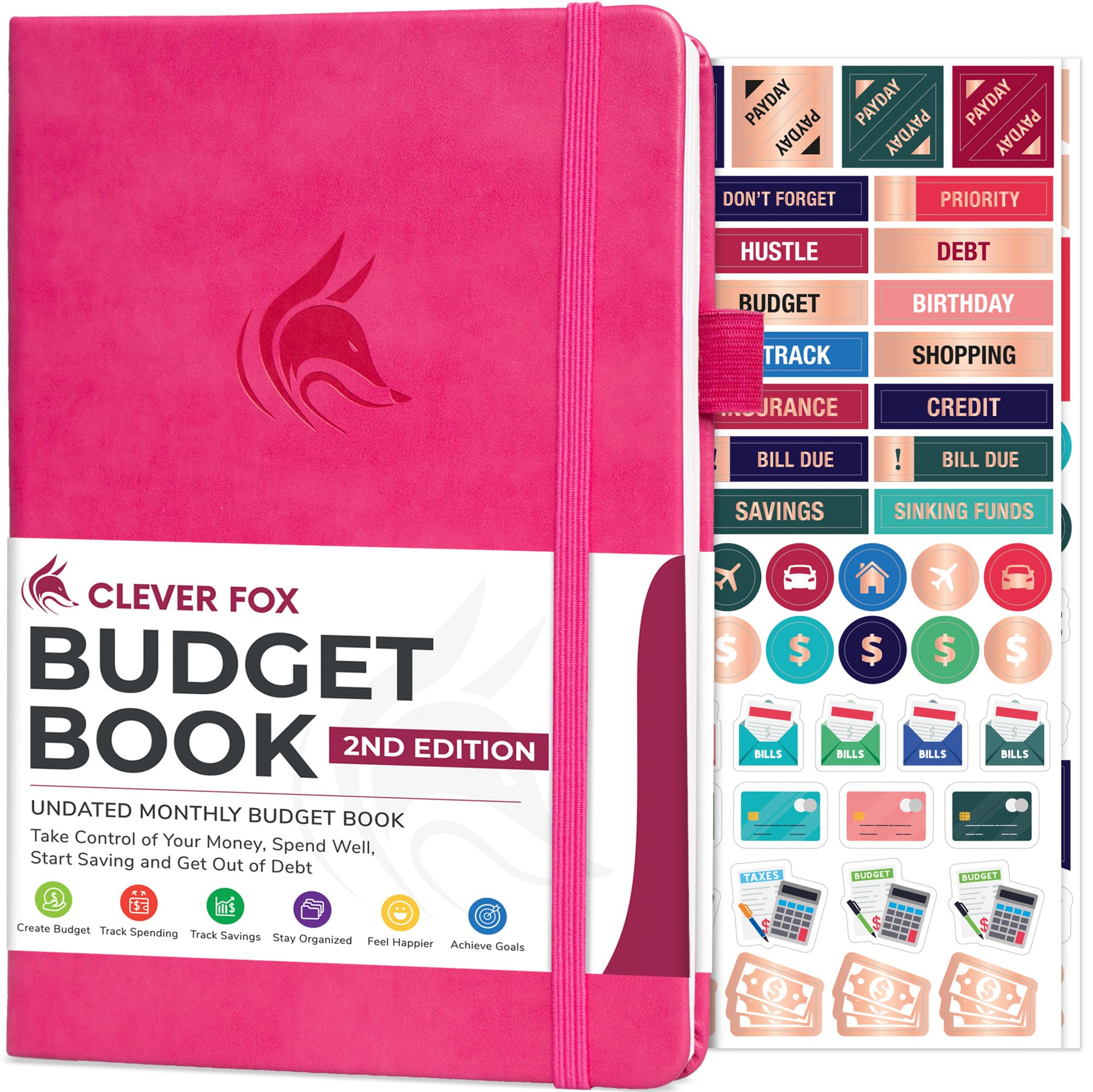
- Compact 5.3 by 7.7 inch format for portable monthly budgeting.
- Monthly pages cover budgets, goals, bills, purchases, and daily spending.
- Includes savings, debt, and recurring bill trackers.
Best For: Beginners who want a portable monthly planner with savings, bill, and debt trackers.

Clever Fox Bi Weekly Budget Planner
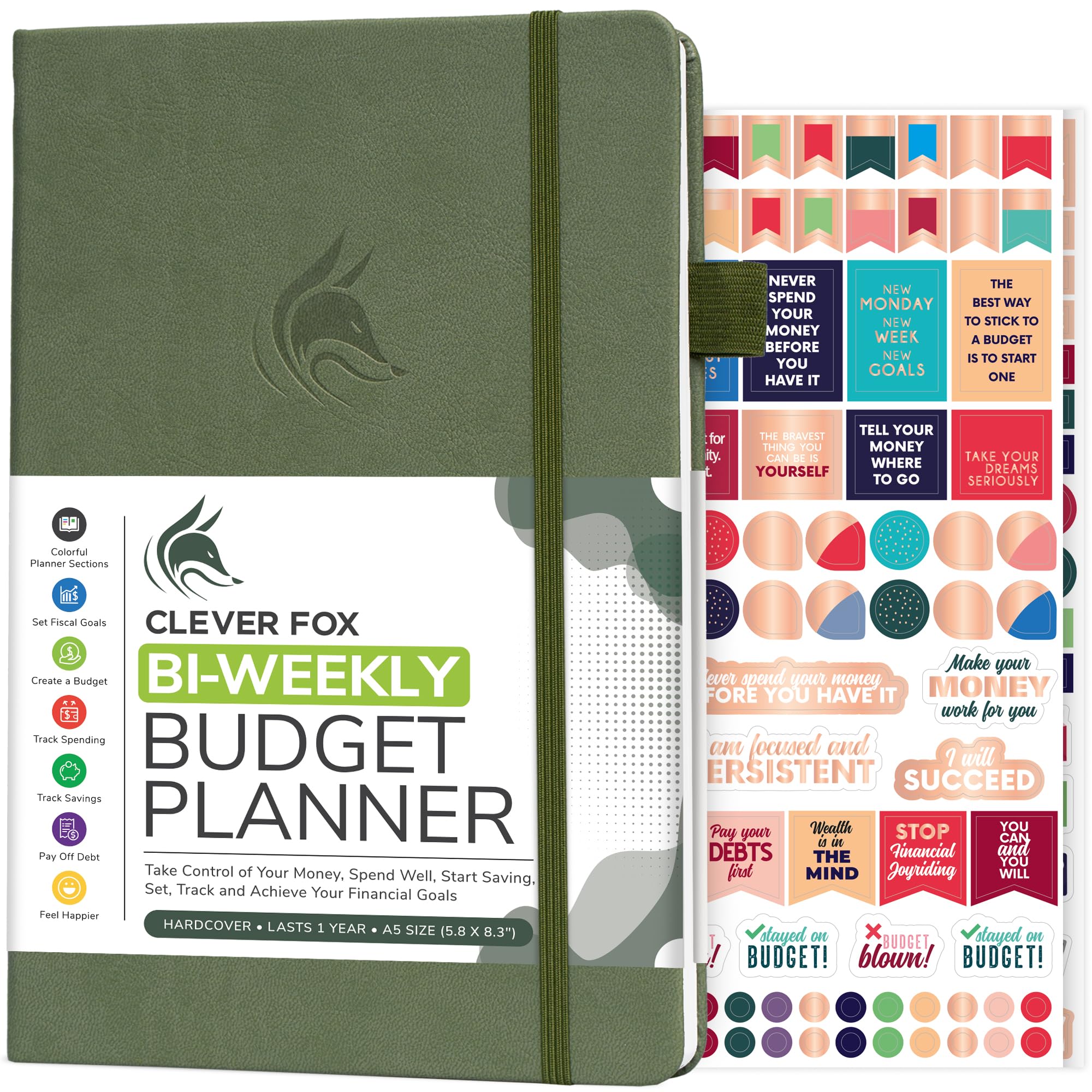
- Biweekly spreads organize budget plans and payment deadlines.
- Undated format lasts 12 months.
- A5 format includes a lay-flat binding, elastic band, and receipt pocket.
Best For: People who prefer reviewing income and spending across biweekly periods.
Clever Fox Budget Planner Spiral
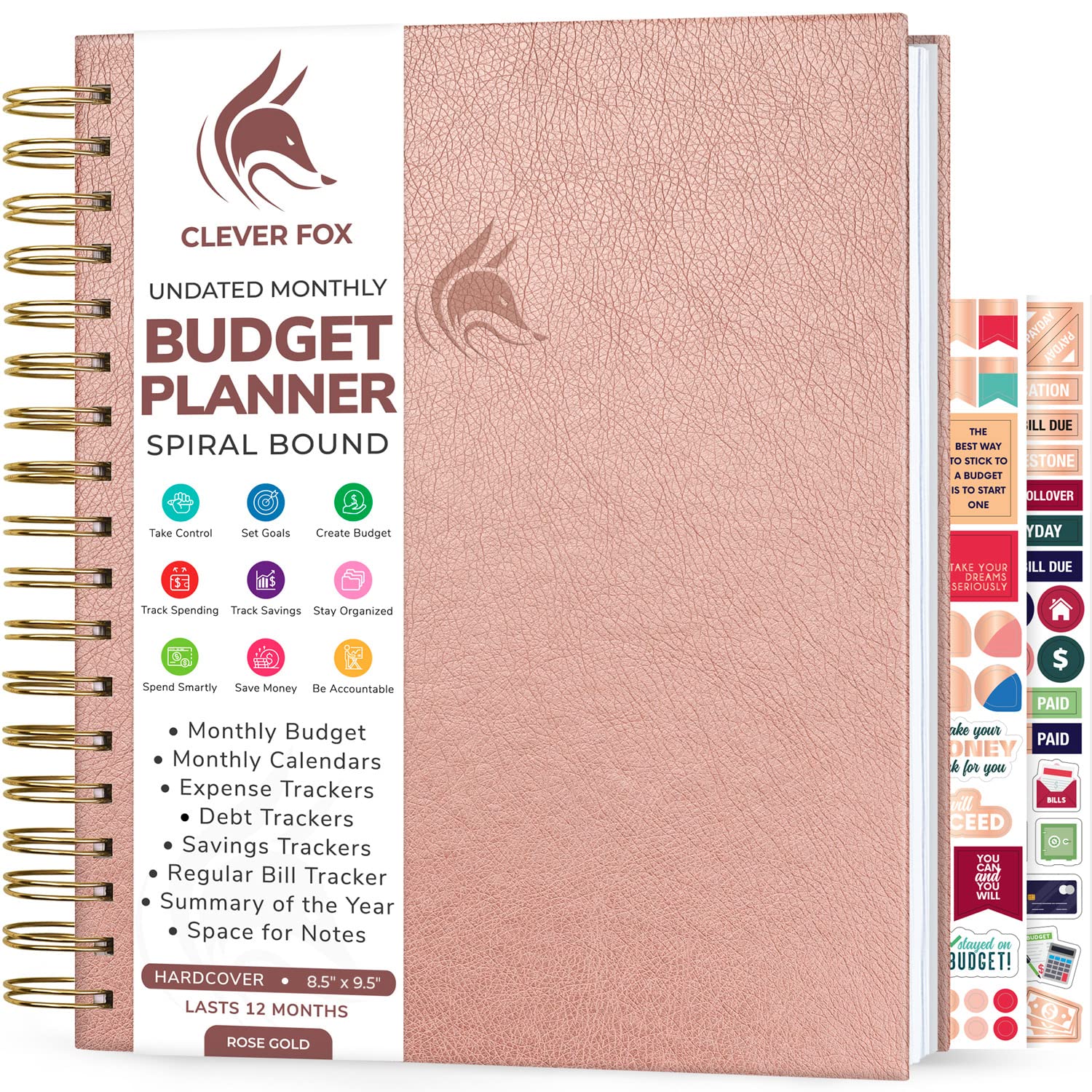
- Undated 12-month planner includes monthly budgets and reviews.
- Tracks savings, debt, bills, holiday spending, and check entries.
- Includes three cash envelopes and a receipt pocket.
Best For: Budgeters who want a large monthly layout with cash envelopes and debt trackers.
Clever Fox Budget Planner, Large
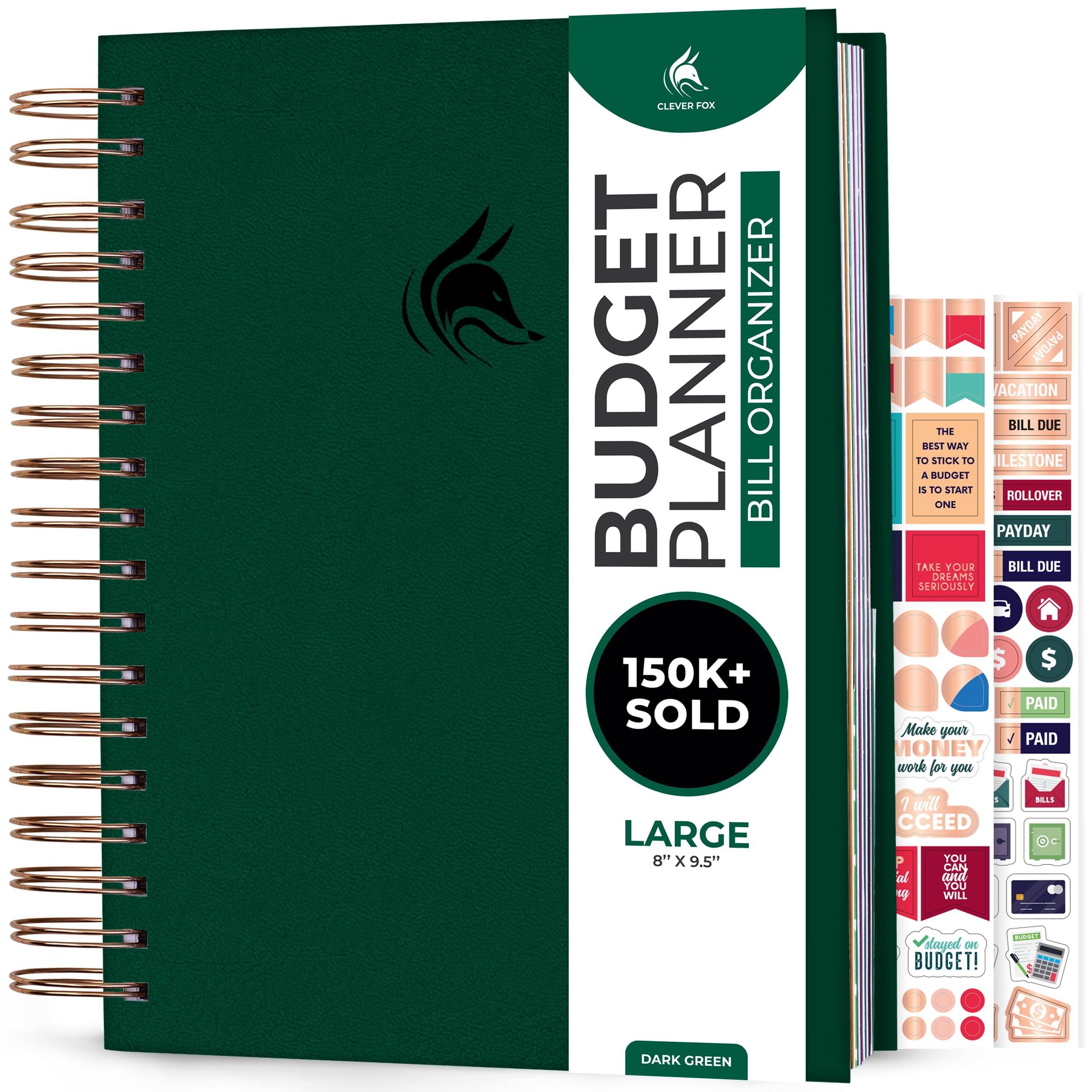
- Twelve laminated pockets organize bills and financial papers.
- Monthly pages cover spending plans, daily expenses, and reviews.
- Large 8 by 9.5 inch format with spiral binding.
Best For: Households that want a large monthly planner with pockets for organizing bill papers.
Clever Fox Planner PRO Premium
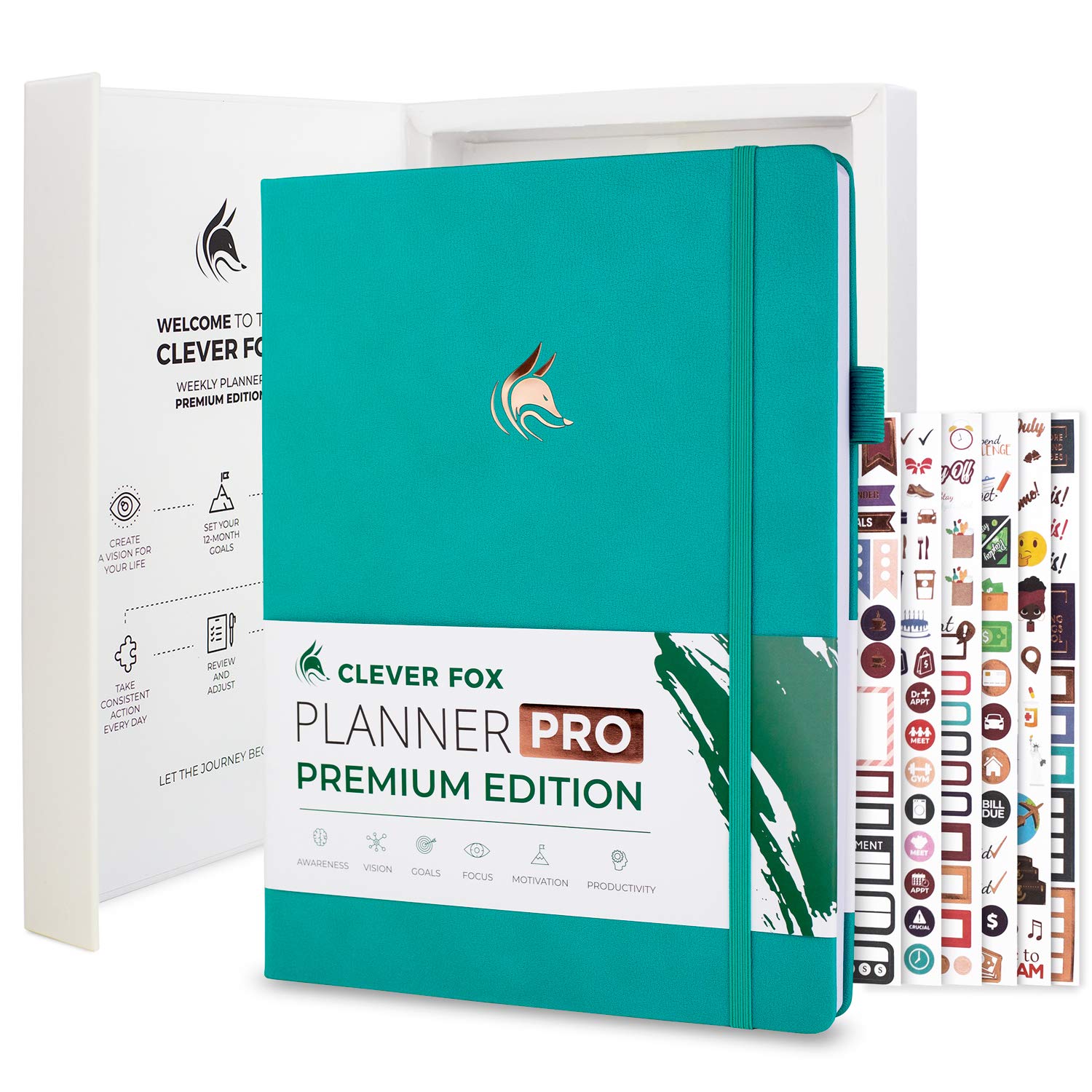
- Undated A4 planner combines weekly, monthly, and budget sections.
- Includes calendars and goal-setting tools alongside monthly budgeting.
- Lay-flat binding, pen loop, bookmarks, and pocket support everyday planning.
Best For: People who want budgeting sections integrated with weekly, monthly, and goal planning.
Compact Monthly Budget Book
Clever Fox Budget Book 2.0 – Simple Budgeting Planner for Beginners – Financial Notebook with Money Spending, Debt & Bill Tracker (Hot Pink)
The Clever Fox Budget Book 2.0 keeps monthly budgeting in a compact 5.3 by 7.7 inch format. Each month has space for a budget, goals, bills, purchases, daily expenses, and notes, with additional trackers for savings and debt payoff.
A regular bill tracker helps keep recurring payments in view. The eco-leather hardcover, receipt pocket, pen loop, ribbon bookmark, stickers, and user guide add practical touches for carrying it between home and work.
It is a focused personal finance book rather than a combined weekly life planner, so choose it if money tracking is your main goal.
Best For: Beginners who want a portable monthly planner with savings, bill, and debt trackers.
| Pros | Cons |
|---|---|
|
|
Choose this book if you want a small monthly system centered on everyday expenses, bills, savings, and debt payoff. Its trackers cover several common budgeting tasks without taking up the space of a large-format organizer.
Check whether its compact pages provide enough room for your handwriting and household budget details. It has a receipt pocket, while a dedicated set of bill pockets is not specified.
Biweekly Paycheck Planning
Clever Fox Bi Weekly Budget Planner – Undated Financial Organizer Book – Expense Tracker, Budgeting & Bill Notebook, A5 (Cypress)
This undated budget planner organizes money management around biweekly spreads, with room to plan budgets, mark payment deadlines, and track daily expenses. That layout may suit people who find a two-week rhythm easier to follow than one monthly overview.
It also includes annual financial goals, strategy and tactics pages, and a net worth estimate section. At 5.8 by 8.3 inches, it stays relatively compact while adding a lay-flat binding, elastic band, pen loop, three bookmarks, and a receipt pocket.
It lasts 12 months, so you can start when it suits your schedule.
Best For: People who prefer reviewing income and spending across biweekly periods.
| Pros | Cons |
|---|---|
|
|
Consider this planner if your budgeting routine follows pay periods and payment deadlines. Its biweekly spreads emphasize timing and daily spending, while its annual goal and net worth pages broaden the plan beyond routine bills.
The 5.8 by 8.3 inch size and receipt pocket make it a practical middle ground between a compact book and a large desk planner. Check that the biweekly structure matches how you prefer to reconcile monthly income and expenses.
Cash Envelope Budgeting
Clever Fox Budget Planner – Coiled Finance Book, Monthly Financial Journal, Budgeting Organizer & Expense Tracker Notebook, 8.5x9.5″ (Rose Gold)
The Clever Fox Budget Planner Spiral combines monthly budget plans and reviews with tools for tracking expenses, savings, debts, bills, holiday spending, and checks. Its undated 12-month structure includes eight savings trackers and twelve debt trackers.
Three cash envelopes and a receipt pocket support organizing cash categories and paperwork, while the spiral binding and large pages suit hands-on planning. It also includes stickers, a user guide, and a gift box.
Best For: Budgeters who want a large monthly layout with cash envelopes and debt trackers.
| Pros | Cons |
|---|---|
|
|
This is a strong fit for people who want paper cash categories alongside monthly tracking. Its three envelopes distinguish it from the other planners here, while the savings and debt trackers, bill log, holiday budget, and check register cover a broad range of household finances.
The tradeoff is its large footprint, which may be inconvenient if you want a planner to carry every day. Check whether you want fixed cash envelopes and enough writing space for its larger layout.
Bill Storage and Monthly Reviews
Clever Fox Budget Planner & Monthly Bill Organizer With Pockets. Expense Tracker, Budgeting Journal & Financial Book. Large, 8x9.5" (Dark Green)
This large 8 by 9.5 inch organizer brings budgeting and bill storage together. Its monthly pages support spending plans, daily expense tracking, and end-of-month reviews, while financial goal pages break larger aims into monthly steps.
Twelve laminated bill pockets offer a place to organize financial papers alongside the written plan. The spiral-bound book has an eco-leather hardcover and thick 120gsm paper, plus stickers, a user guide, and a keepsake gift box.
Its roomy format suits a home budgeting spot, but may be less convenient if portability is a priority.
Best For: Households that want a large monthly planner with pockets for organizing bill papers.
| Pros | Cons |
|---|---|
|
|
Choose this organizer if keeping bill paperwork with the monthly budget is a priority. Its laminated bill pockets are a distinctive feature, and the monthly review pages add a recurring point to assess spending and adjust plans.
The large spiral format is suited to a home budgeting station, while a more compact option may be easier to carry. Check whether you need dedicated savings or debt logs, since their page counts are not specified.
Budgeting with Weekly Life Planning
Clever Fox Planner Pro Premium – Luxurious Weekly & Monthly Planner with Budget Organizer for Productivity & Goals, Undated, A4 (Viridian)
The Planner PRO Premium combines budgeting with broader life and productivity planning. Its undated A4 format includes weekly planning pages, monthly calendars, goal-setting tools, and monthly budgeting sections, so finances sit alongside everyday schedules.
The planner comes with a gift box, stickers, a user guide, an eco-leather hardcover, thick 120gsm paper, lay-flat binding, an elastic band, a pen loop, three bookmarks, and a pocket for loose notes. This is a larger, multi-purpose planner rather than a dedicated budget book.
It makes sense when you want one book for both household finances and personal planning.
Best For: People who want budgeting sections integrated with weekly, monthly, and goal planning.
| Pros | Cons |
|---|---|
|
|
Pick this option if you already want a weekly and monthly life planner and would rather keep budgeting in that same book. Its monthly financial sections are paired with calendars and goal-setting tools, while undated pages allow a flexible start.
Compared with the dedicated budget books, it devotes space to general planning as well as money. Check whether its budget sections provide the expense and debt tracking detail you need; dedicated tracker page counts are not specified.
How to Choose Budget Planners
How We Picked Budget Planners
We prioritized planners built around practical money tasks: setting a budget, logging expenses, tracking bills, and following savings or debt goals. All five candidates offer financial planning features, but their layouts serve different routines.
The compact Budget Book 2.0 emphasizes monthly tracking in a portable format. The biweekly planner focuses on pay-period budgeting and payment deadlines.
Larger books add bill pockets or cash envelopes, while the Planner PRO Premium combines financial pages with general weekly and monthly planning.
We also considered how each book organizes paper and fits into a routine. Receipt pockets and bill storage can help keep loose paperwork nearby; bookmarks, pen loops, and lay-flat binding support regular use.
Size matters for where you plan to write: a larger page can suit a home desk, while a smaller book is easier to carry. These are distinct approaches to paper budgeting, rather than interchangeable covers for the same layout.
Comparing Budget Planners
Start with the planning rhythm. The Clever Fox Budget Book 2.0 and the large pocket organizer center on monthly budgeting, while the biweekly book organizes plans around shorter periods and payment dates.
The spiral planner adds cash envelopes, a holiday budget, and check register. Planner PRO Premium takes a wider approach, placing monthly budgeting inside an undated weekly and monthly life planner.
Then consider the kind of tracking and storage you need. Twelve laminated bill pockets are useful when you want paper bills beside the budget; three cash envelopes suit category-based cash spending.
The compact book includes eight savings and eight debt trackers, while the spiral planner has eight savings and twelve debt trackers. The biweekly book includes annual goal and net worth pages.
The PRO planner has goal-setting tools, but its dedicated expense and debt tracker page counts are not specified.
| Product | Standout features | Best for |
|---|---|---|
| Clever Fox Budget Book 2.0Check Price |
| Beginners who want a portable monthly planner with savings, bill, and debt trackers. |
| Clever Fox Bi Weekly Budget PlannerCheck Price |
| People who prefer reviewing income and spending across biweekly periods. |
| Clever Fox Budget Planner SpiralCheck Price |
| Budgeters who want a large monthly layout with cash envelopes and debt trackers. |
| Clever Fox Budget Planner, LargeCheck Price |
| Households that want a large monthly planner with pockets for organizing bill papers. |
| Clever Fox Planner PRO PremiumCheck Price |
| People who want budgeting sections integrated with weekly, monthly, and goal planning. |
Choosing a Budget Planner for Your Routine
A monthly budget book works well when you want to plan bills and purchases, record spending, and review progress at month’s end. If your pay and bill schedule drives your decisions, biweekly sections may make deadlines easier to see.
For cash envelope budgeting, check whether you will use the included envelopes and whether you have room to keep the larger book open where you manage spending.
Paper storage is another practical distinction. A receipt pocket stores loose slips, while laminated bill pockets provide separate spaces for bills.
These serve different needs, so consider whether your paperwork is mostly receipts or documents you want organized by pocket. If you want a budget planner that doubles as a life planner, the A4 PRO option adds weekly calendars and general goal setting, with less emphasis on specified finance tracker counts.
Size, Binding, and Everyday Use
Choose a format that fits the place where you will use it. Compact pages are easier to bring along, while larger books offer more room for writing and organizing paperwork.
The biweekly planner measures 5.8 by 8.3 inches; the Budget Book 2.0 is 5.3 by 7.7 inches. The spiral planner and bill-pocket organizer have larger formats, and the PRO planner uses A4 pages.
Check the included organization features against your habits. A pen loop and bookmark help keep a planner ready to write in; lay-flat binding can make a spread easier to use open on a desk.
If you frequently handle receipts or bills, look for a pocket or bill compartments. For cash-based categories, the spiral planner’s three envelopes are a specific feature worth weighing against its larger size.
Who Should Buy Which Budget Planner?
Choose the Budget Book 2.0 for compact monthly planning with savings, debt, and bill trackers. Pick the biweekly planner if pay periods and payment deadlines shape your budget.
The spiral planner fits cash envelope users who also want a holiday budget and check register, while the large pocket organizer is aimed at households that want bill papers stored alongside monthly plans.
Choose Planner PRO Premium if you want one undated book for weekly scheduling, monthly calendars, goals, and budgeting. Before buying, match the planner’s structure to the way you review money: monthly, biweekly, cash-category, or part of a wider weekly plan.
Then check its size and included storage against where you will keep and use it.